Timber Mouldings in Mackay
Locally Owned Sawmill · 25+ Years Experience
Custom Timber Milling & Machining
Delivery Throughout Mackay & Surrounds
The Right Finish for Your Project
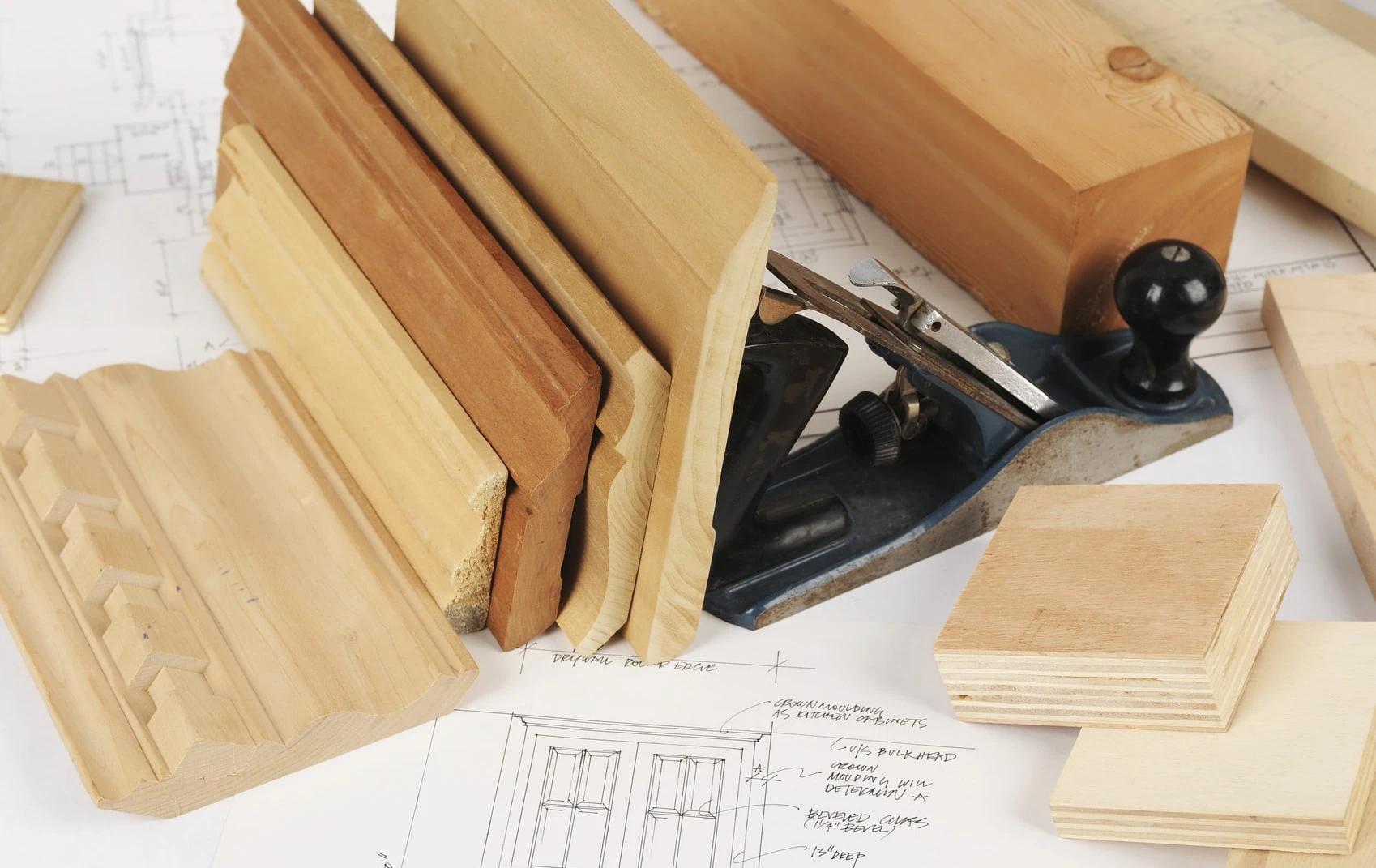
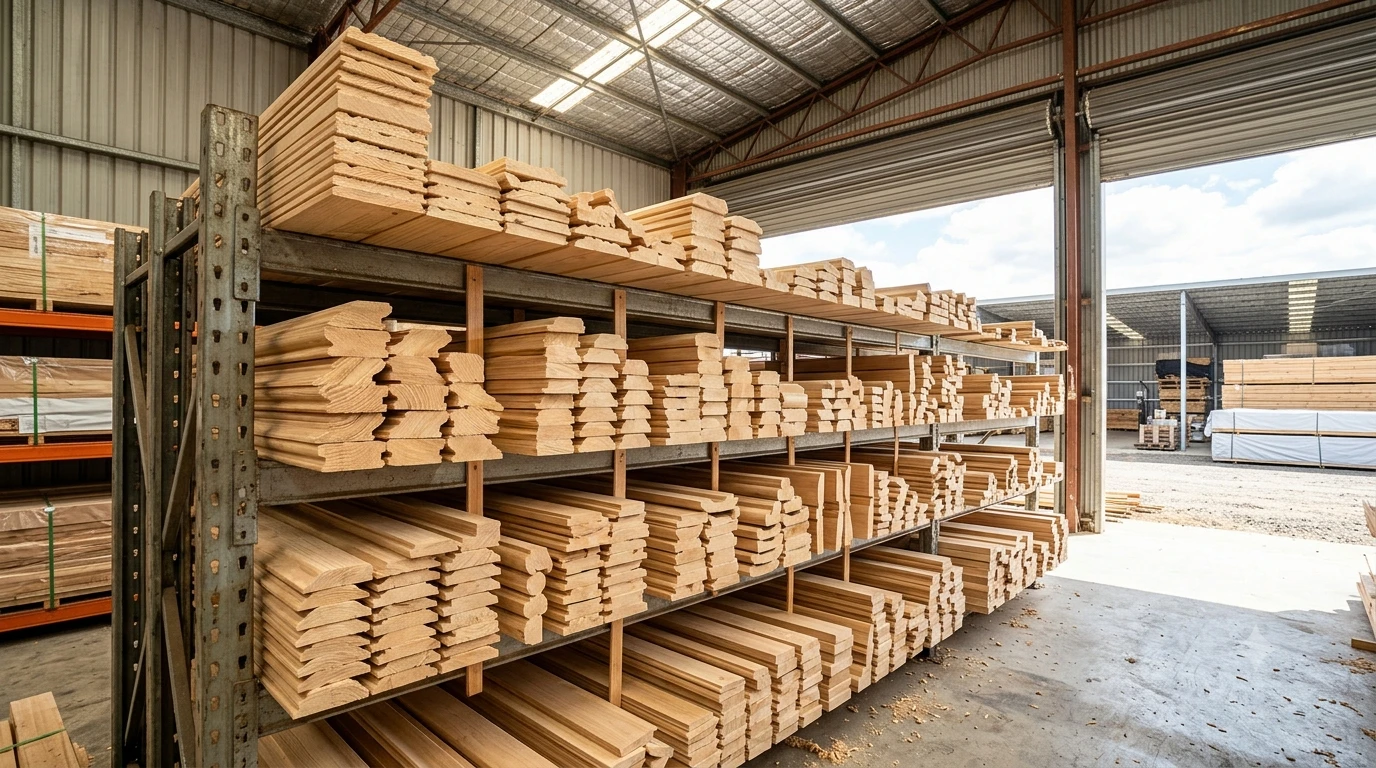
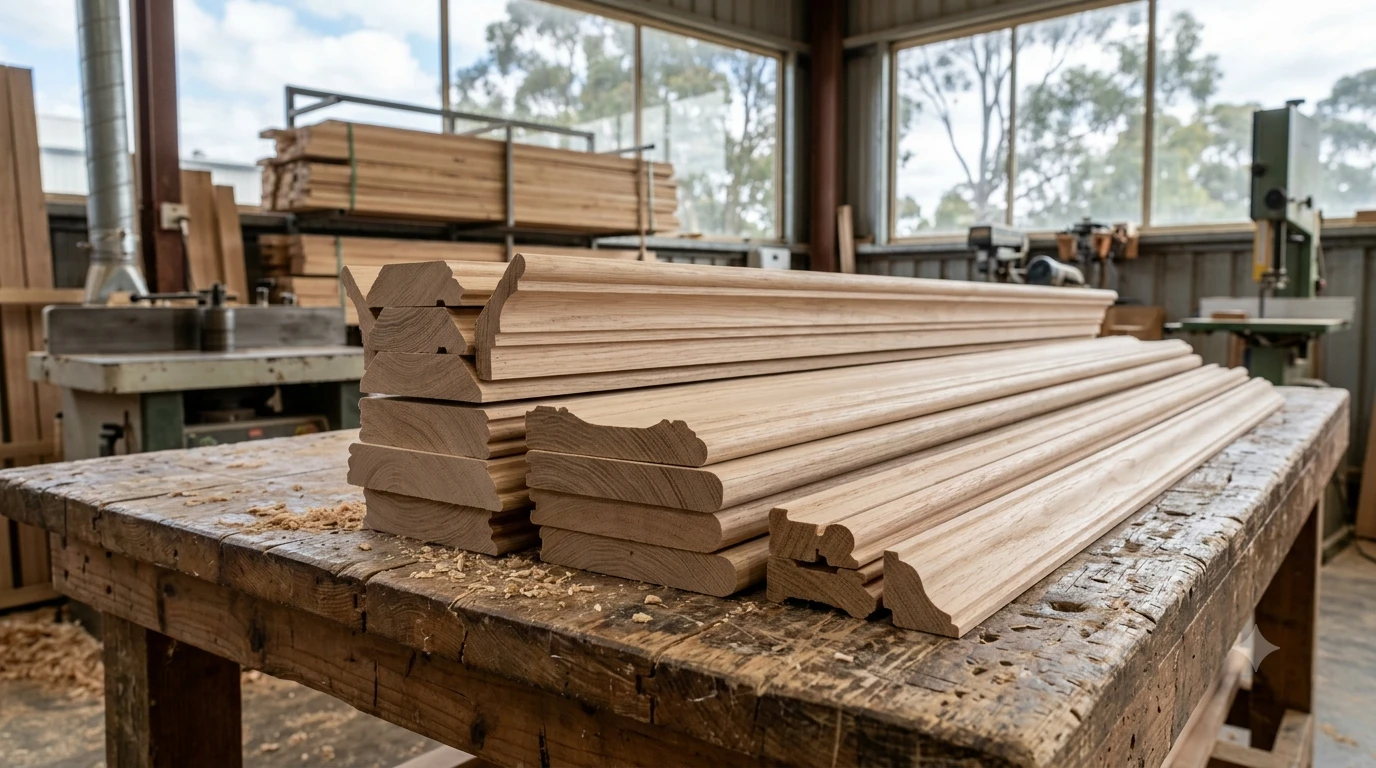
New builds, renovations and repairs across Mackay often need the right timber moulding to finish the job properly. At Platypus Timbers, we supply standard mouldings and custom machined profiles when a standard section won't do. If you're trying to match an existing profile in an older Mackay home, bring in a sample and we'll see what we can do at the mill. Beyond mouldings, we also supply timber supplies, hardwood timber and flooring timber for the rest of the job. Call (07) 4954 0144 for timber mouldings in Mackay.
Send Us a Message
Fill in the form below and we'll be in touch shortly.
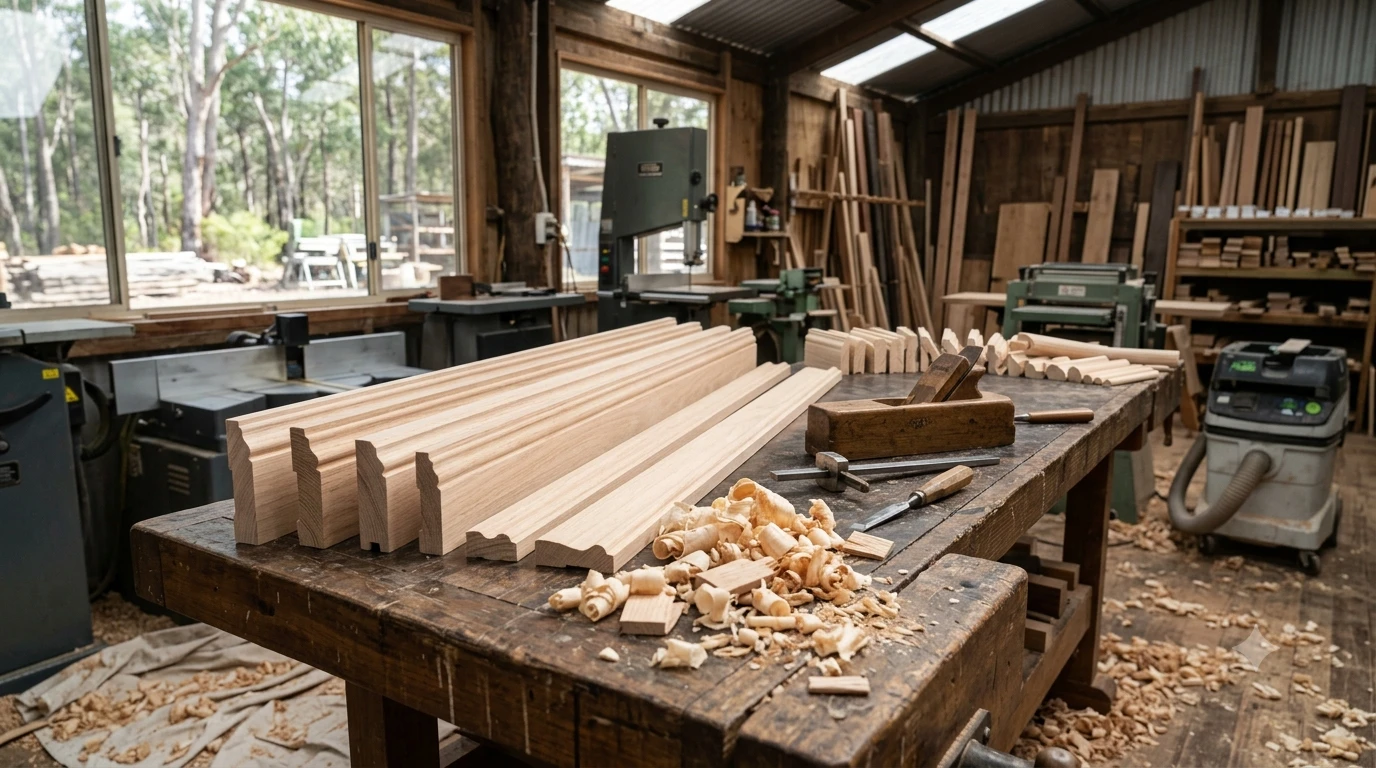
Common Moulding Types
Some of the more common moulding types we supply and machine, whether for a new build or a full renovation:
- Skirtings & Architraves: For finishing internal walls, doorways and windows throughout the home.
- Cornices & Ceiling Mouldings: Traditional and modern profiles for wall-to-ceiling transitions in any room.
- Custom Profiles: Machined to match an existing profile in an older home, or cut to your own specification.
- Beading & Feature Trim: Fine detail for cabinetry, joinery and other finishing work around the house.
Frequently Asked Questions
A skirting board runs along the base of a wall where it meets the floor. An architrave frames the edges of a doorway or window where the wall meets the door jamb or window frame. Both are trim mouldings that cover the junction between two surfaces.
Skirtings between 90mm and 140mm high are common in modern homes, while older Queenslanders and period homes often carry taller profiles of 190mm or more. Match the skirting height to the ceiling height and the style of the home, as taller ceilings generally suit taller skirtings.
Priming before install lets you seal the back and end grain, which reduces moisture movement and paint splitting later. It also gives cleaner cut lines and mitres on site because the primed surface is easier to mark and finish.